UNION REGEN HOUSE
MIXED-USE & EDUCATION | 2019
THE UNION HOUSE | UNIVERSITY OF MELBOURNE CAMPUS
Currently within our urban environment - buildings set out to increasingly consume energy through the existing power grid - without advancing to use systems and integrated devices for capturing energy from the natural elements. We as a collective of end-users also continue to raise building energy consumption rates and are not considered as an opportunity to generate energy through our daily interactions. These conditions highlighted that future buildings in the urban environment should aim to be energy independent systems and require the use of progressive materials. Which hold the capacity to capture energy from the natural elements and interactions of multiple end-users.
In response, this project examined to upgrade the highly active Melbourne University Union House into a futuristic decentralised energy building. Through the incorporation of a morphological response that conforms to a triboelectric fabric, which generates energy through frictional forces of wind and user interaction.
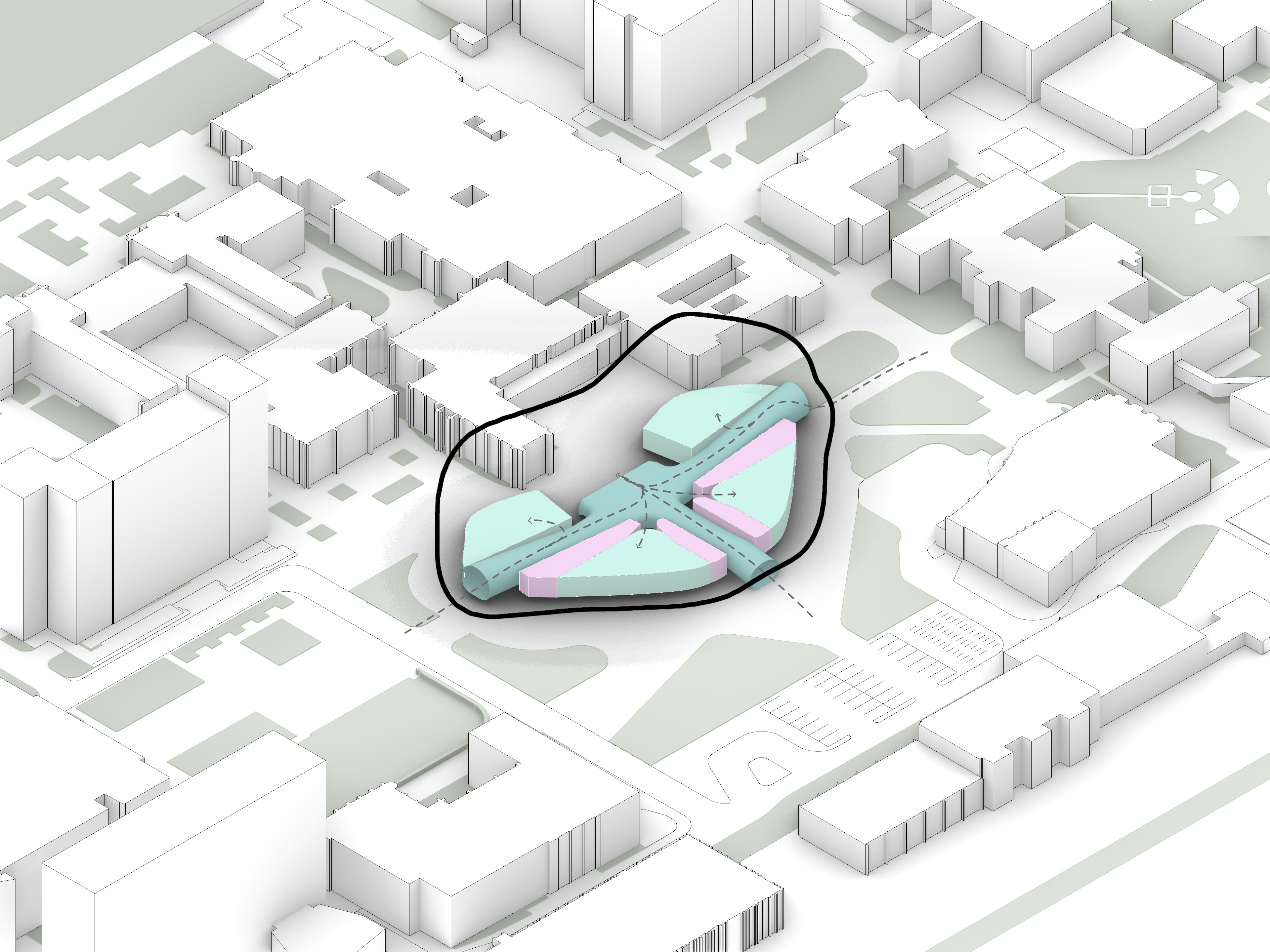
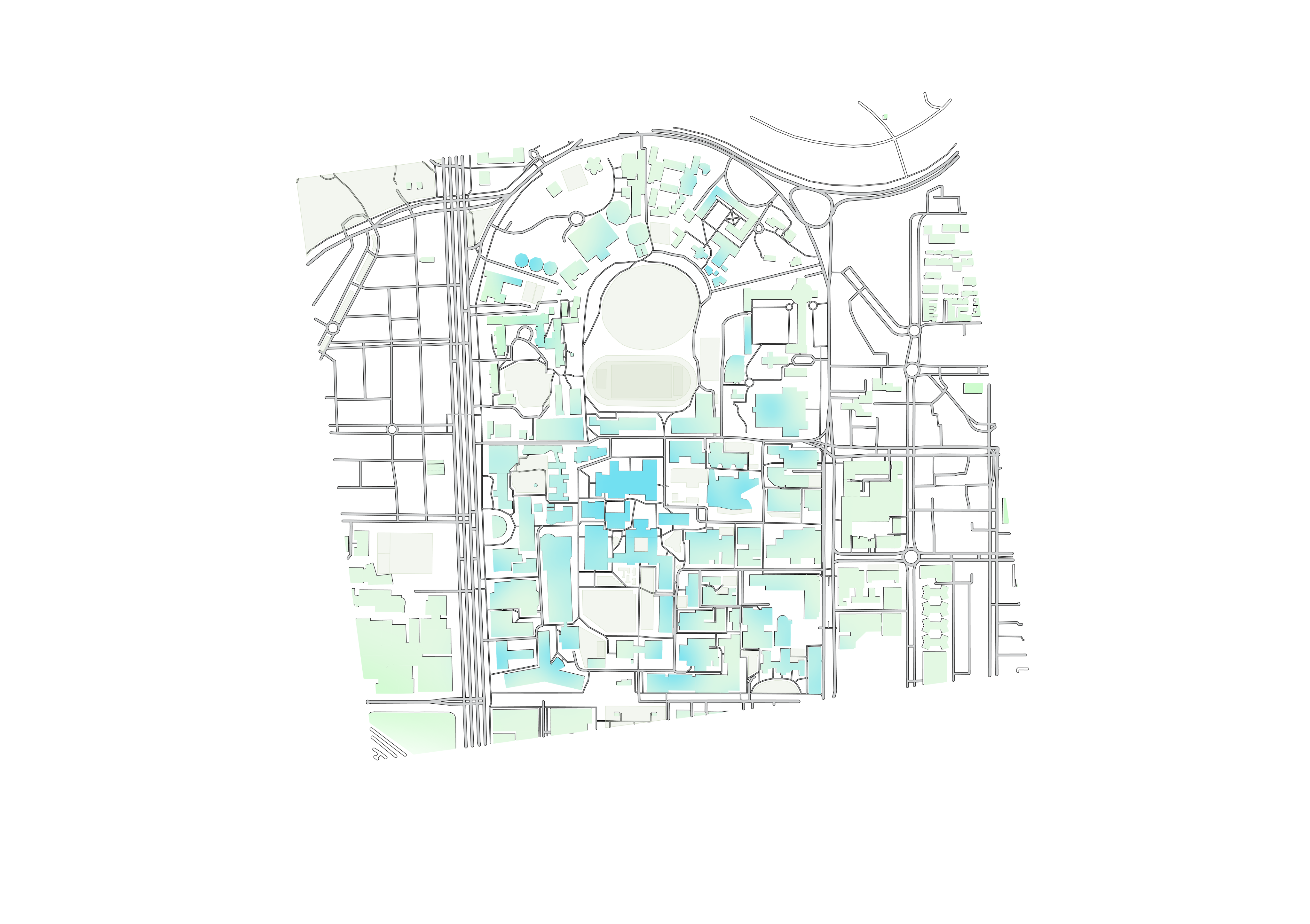
Site selection of the Union House building, due to its open positioning to wind & high volume of daily users.
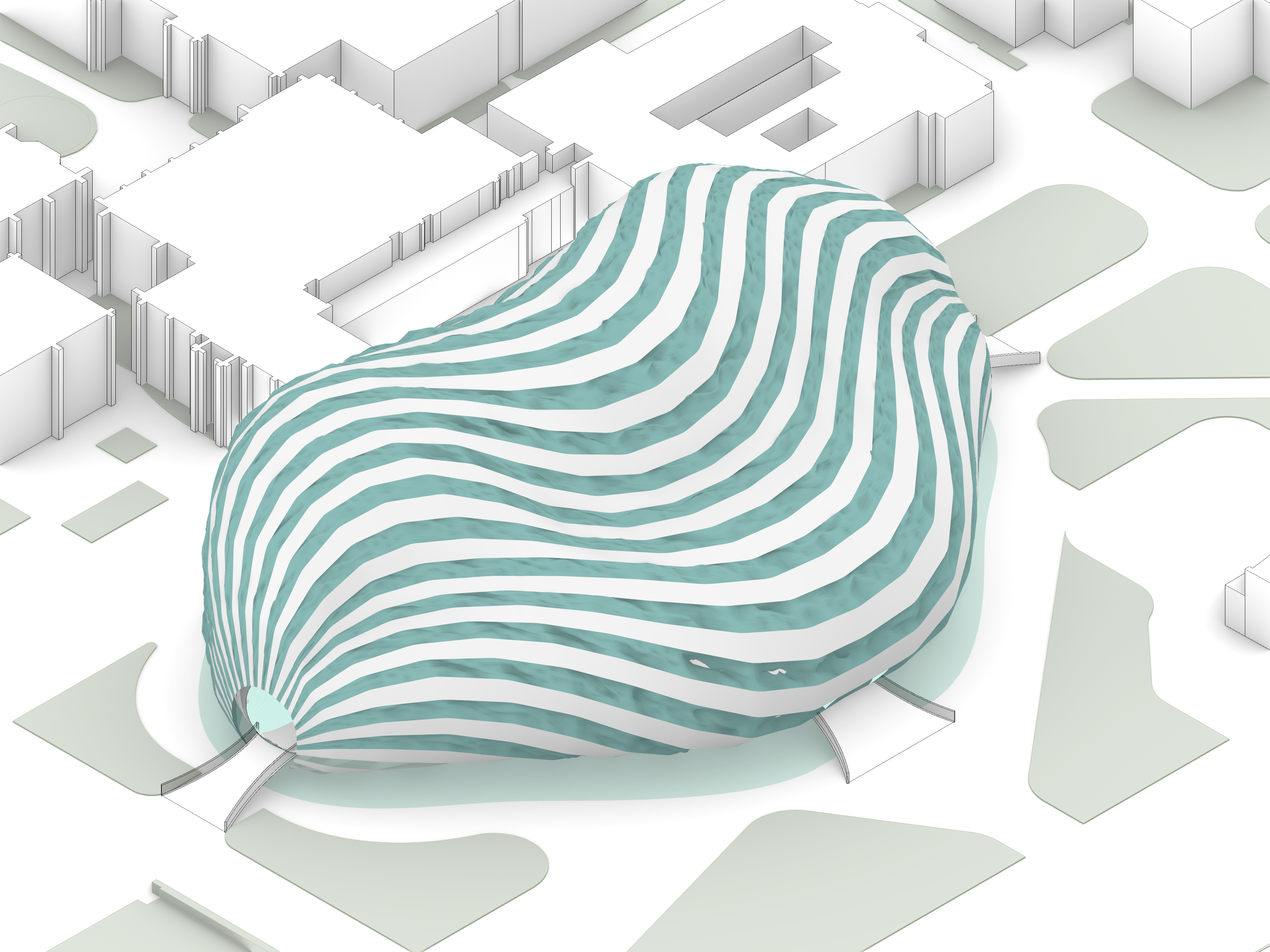
Morphology diagrams expressing the appropriate geometrical response to capture the wind from all directions and the ability to regenerate energy.
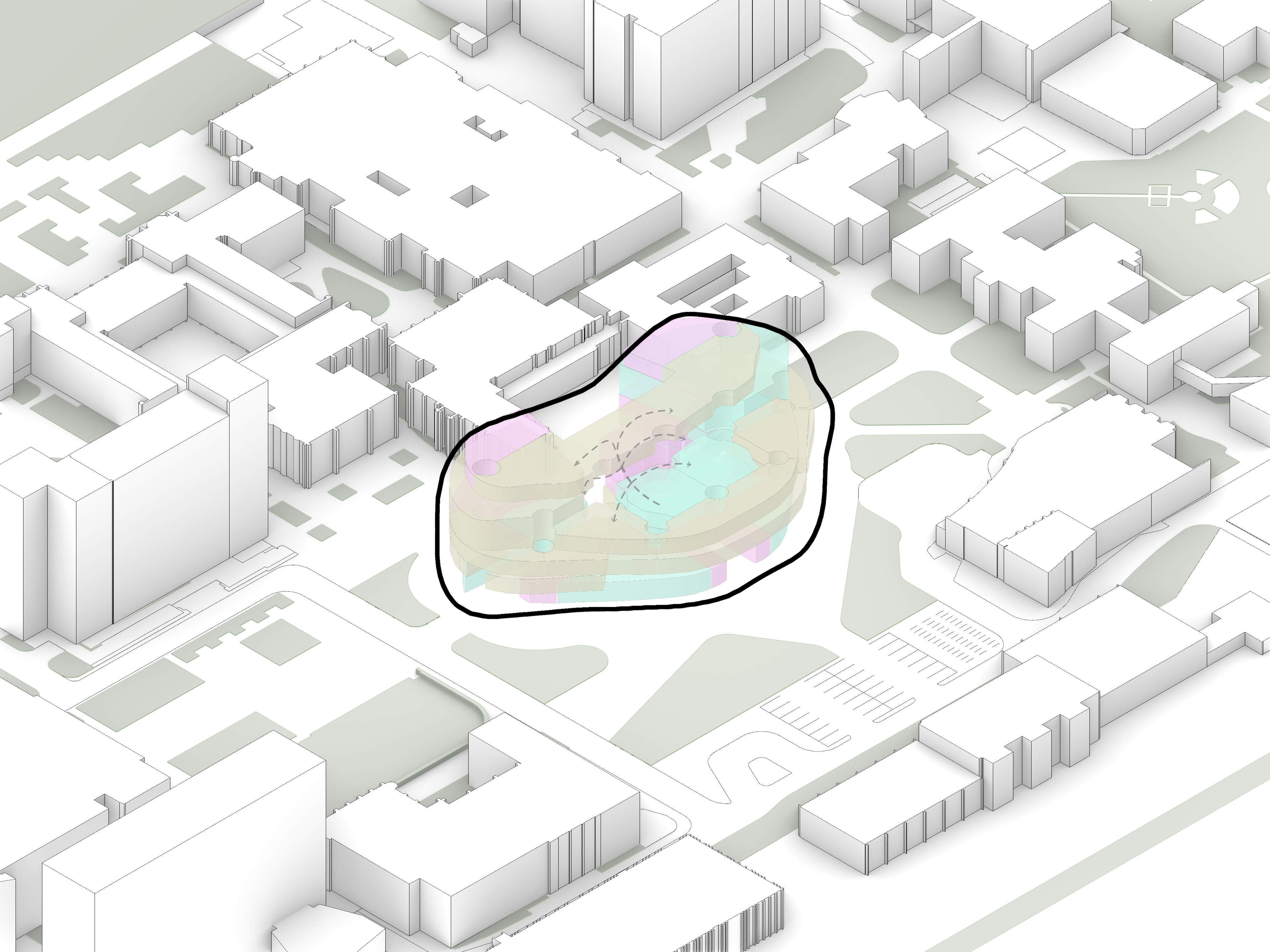
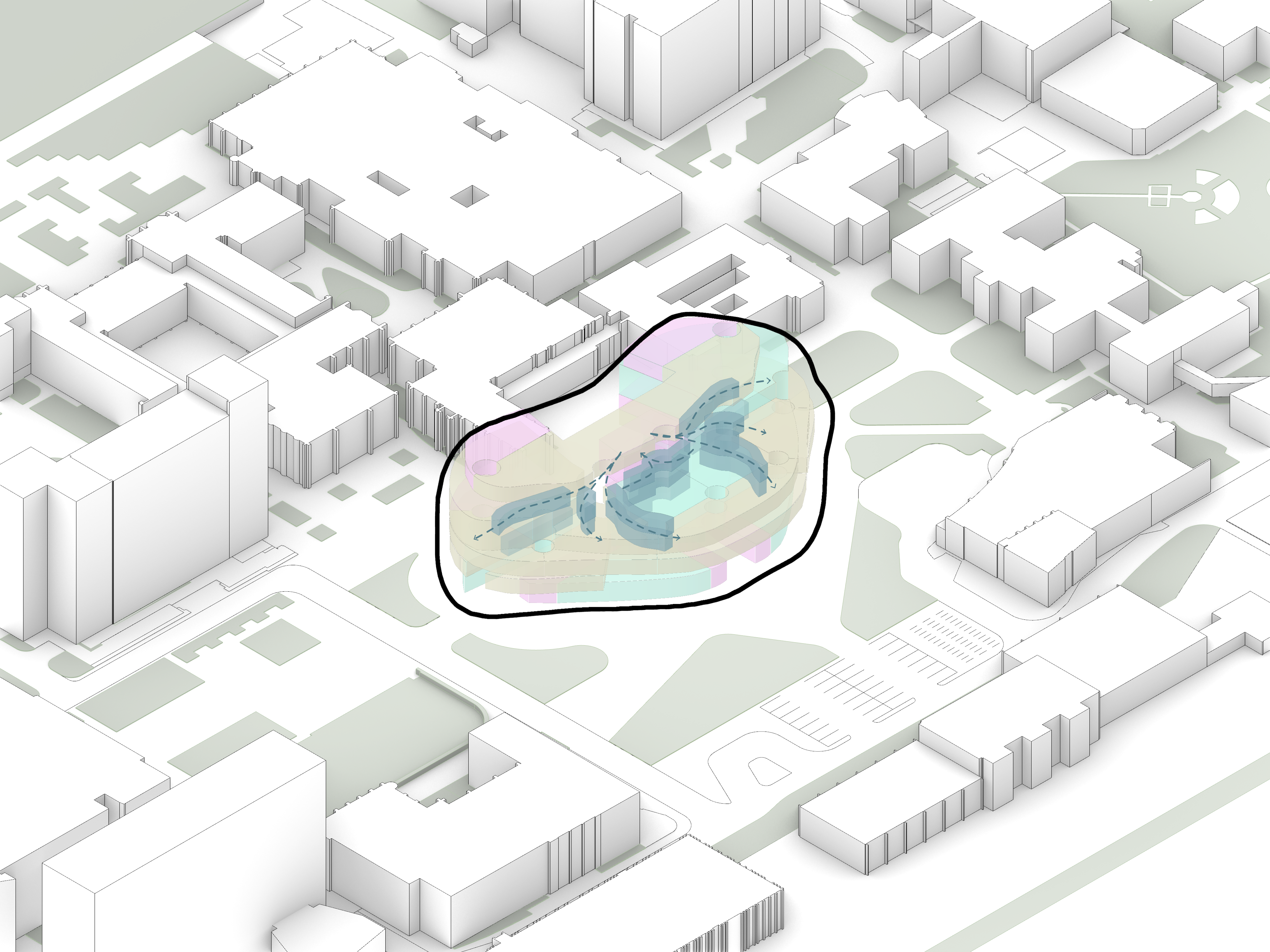
Internalised Program, Circulation, & Energy Generation Strategy Diagrams
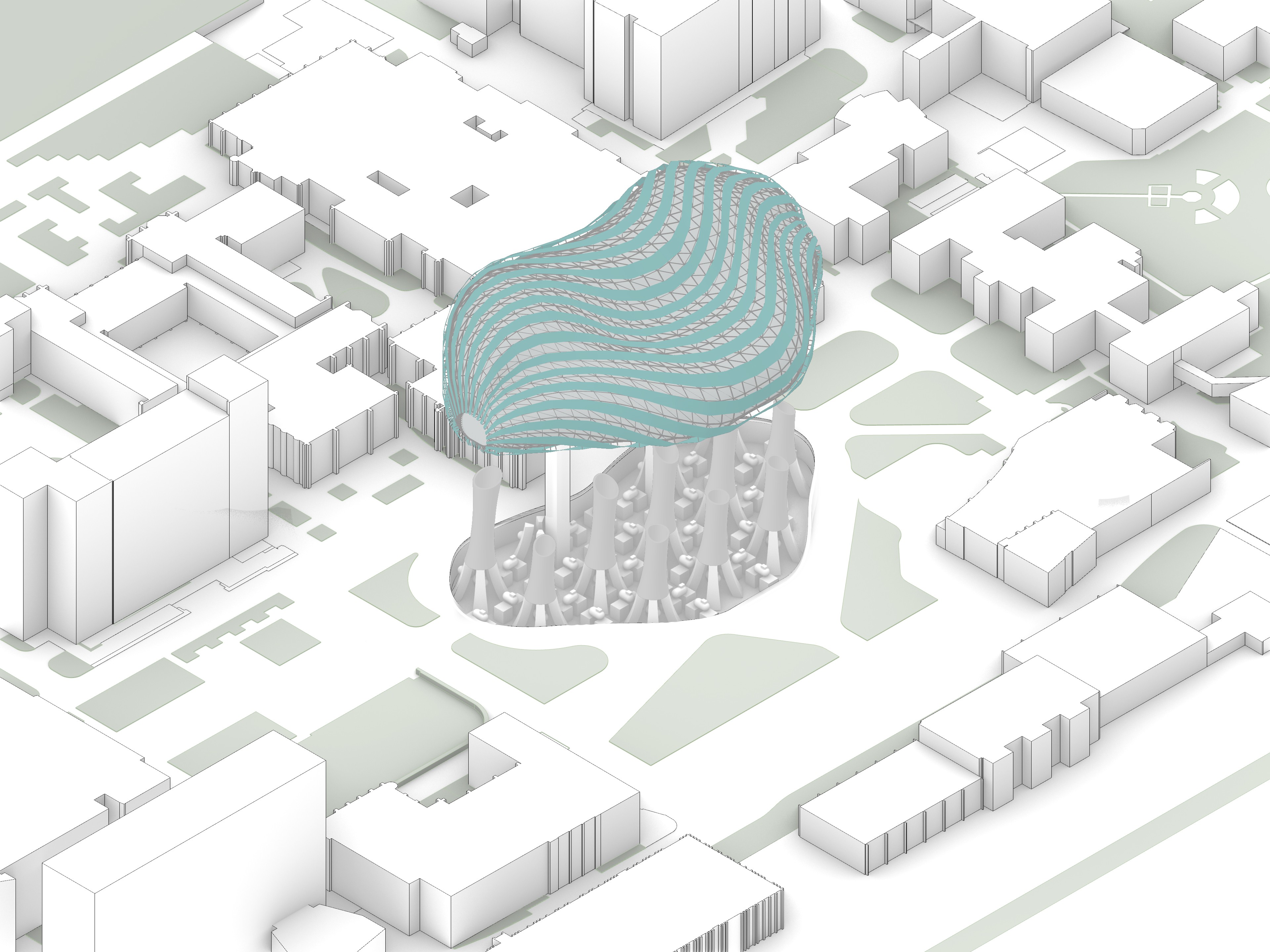
System Component, Structure & Facade Response Diagram
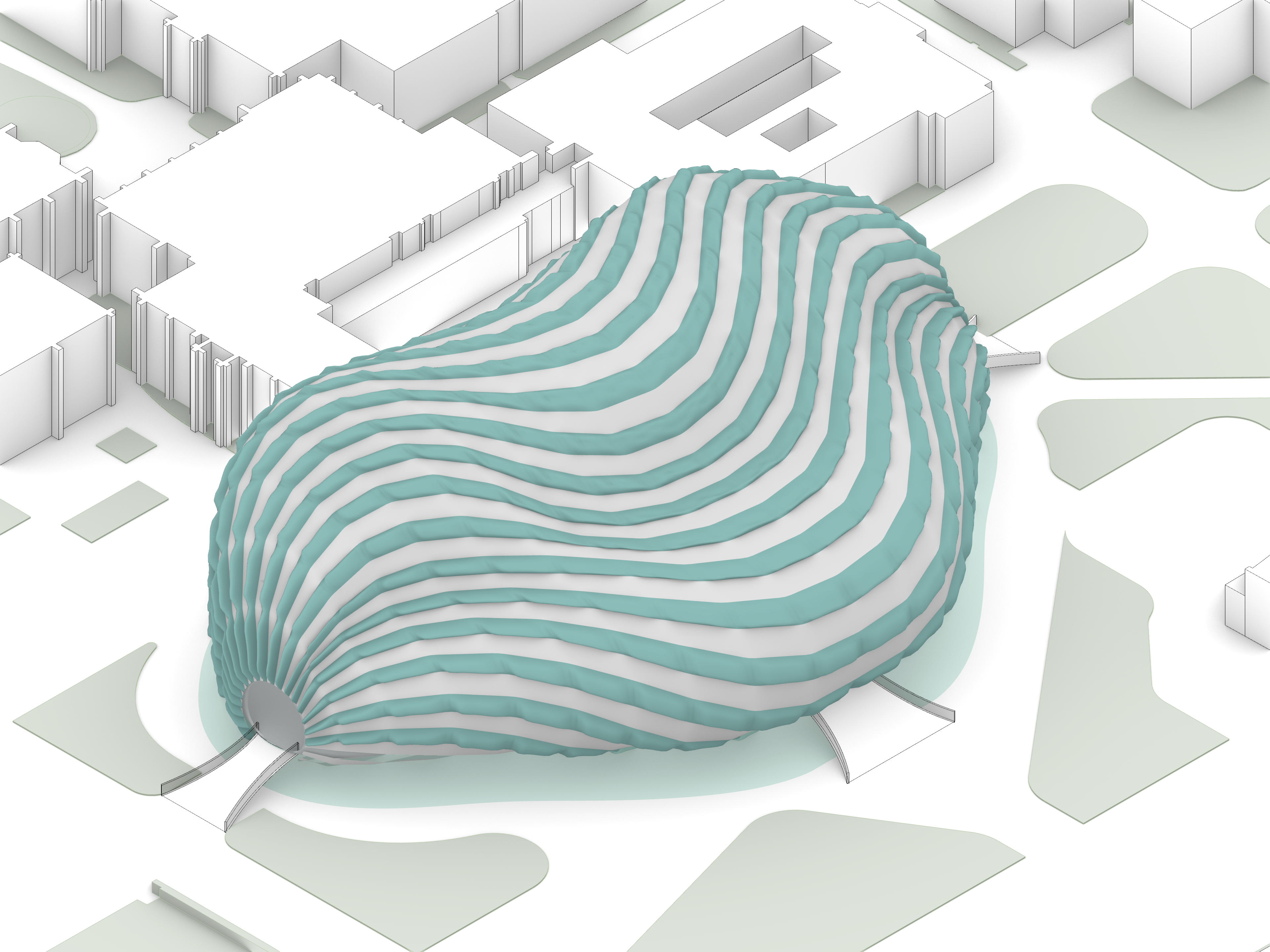
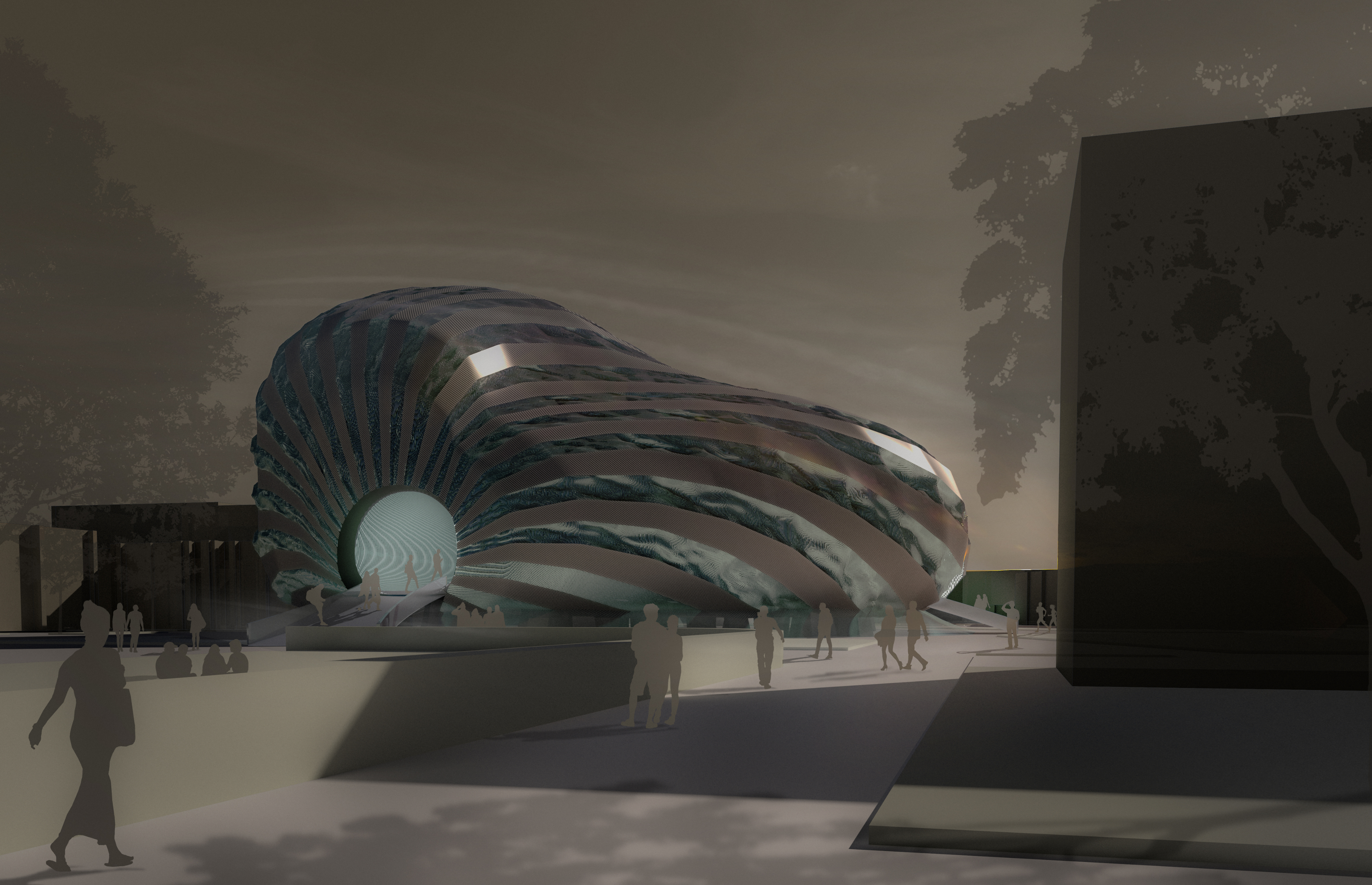
Perspective visualising the metal and triboelectric fabric facade capturing energy.
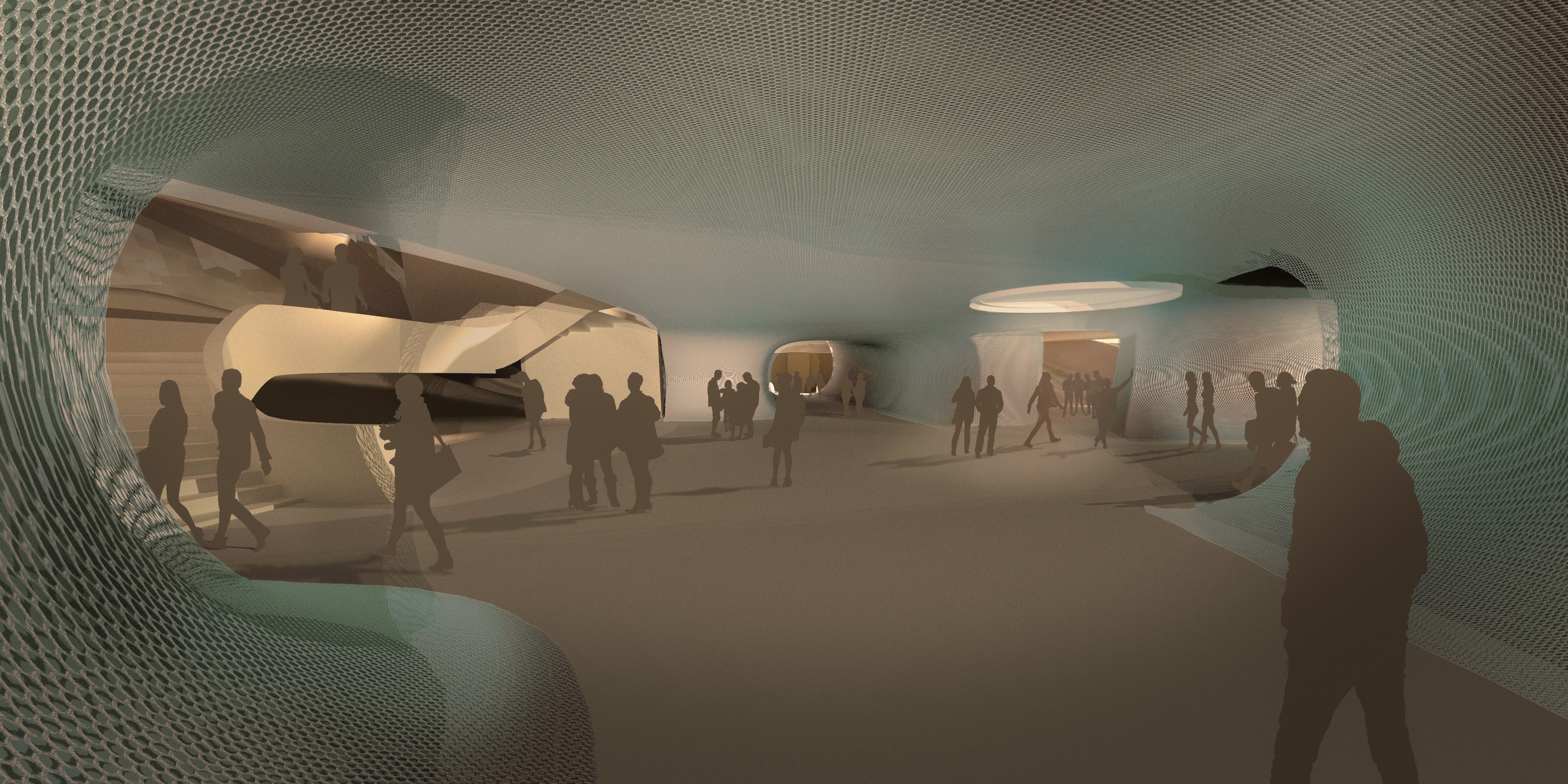
Ground Floor Circulation & Interactive Triboelectric Fabric Perspective
Capturing Energy
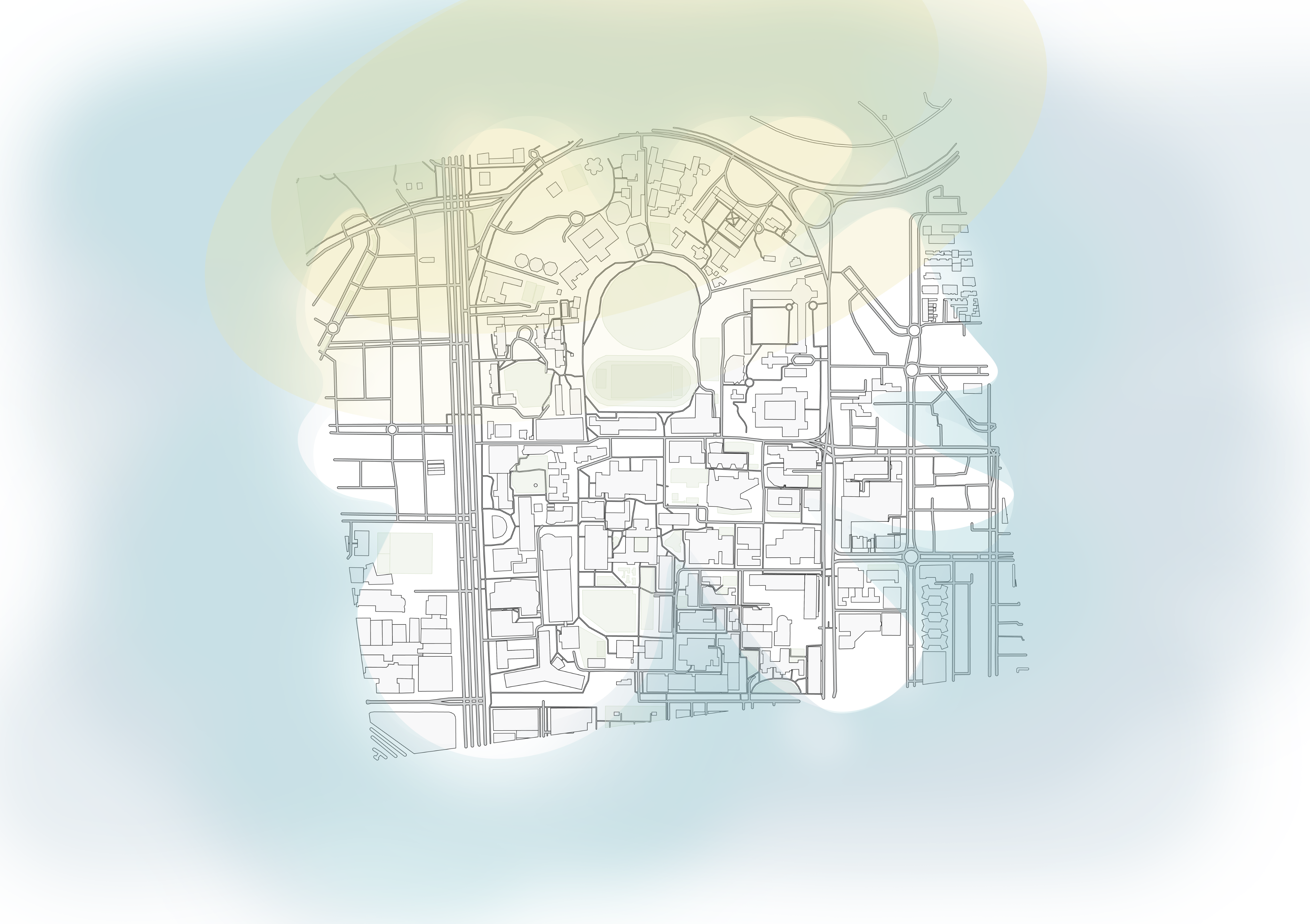
WIND & SOLAR ANALYSIS
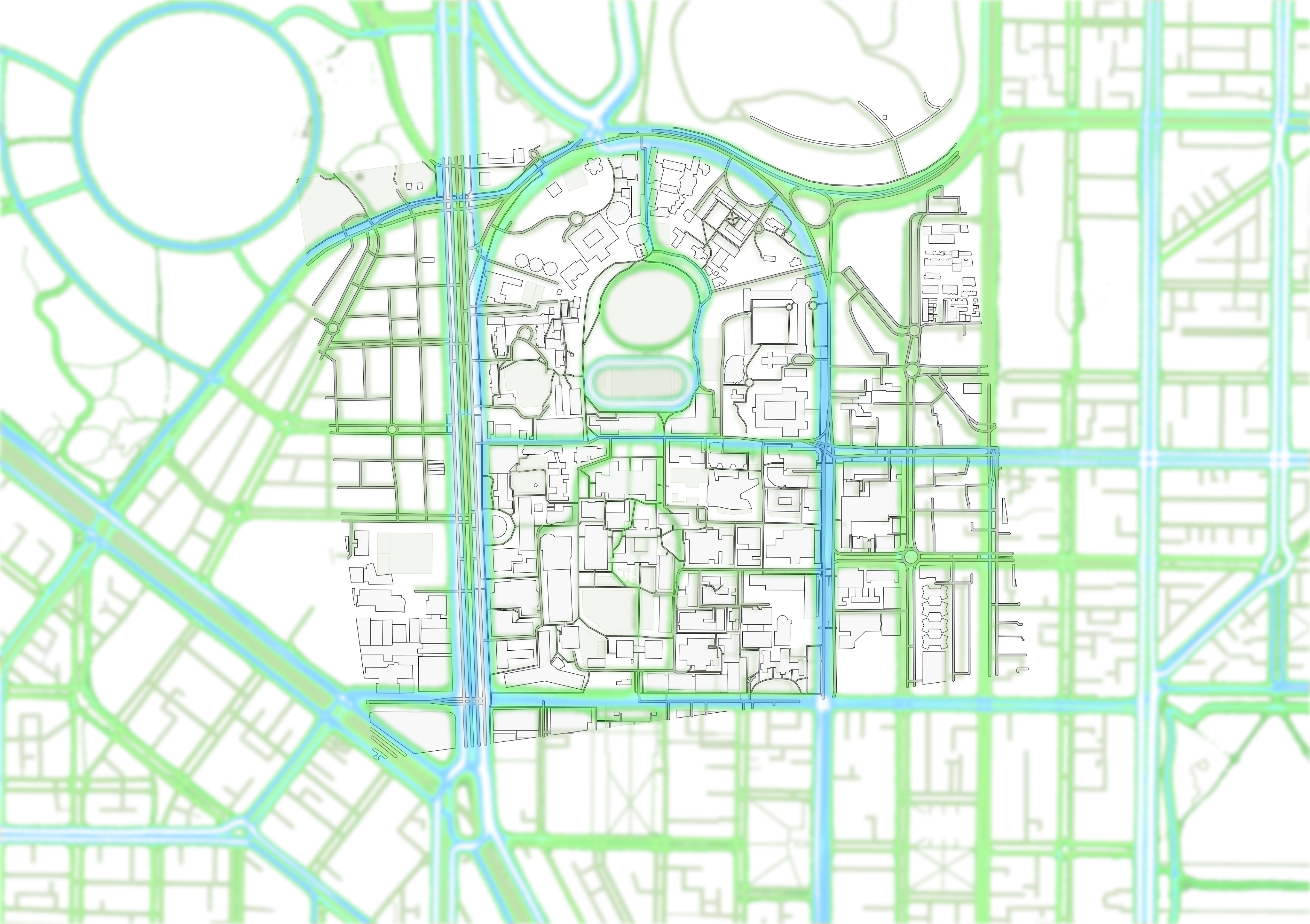
PEDESTRIAN FLOW ANALYSIS
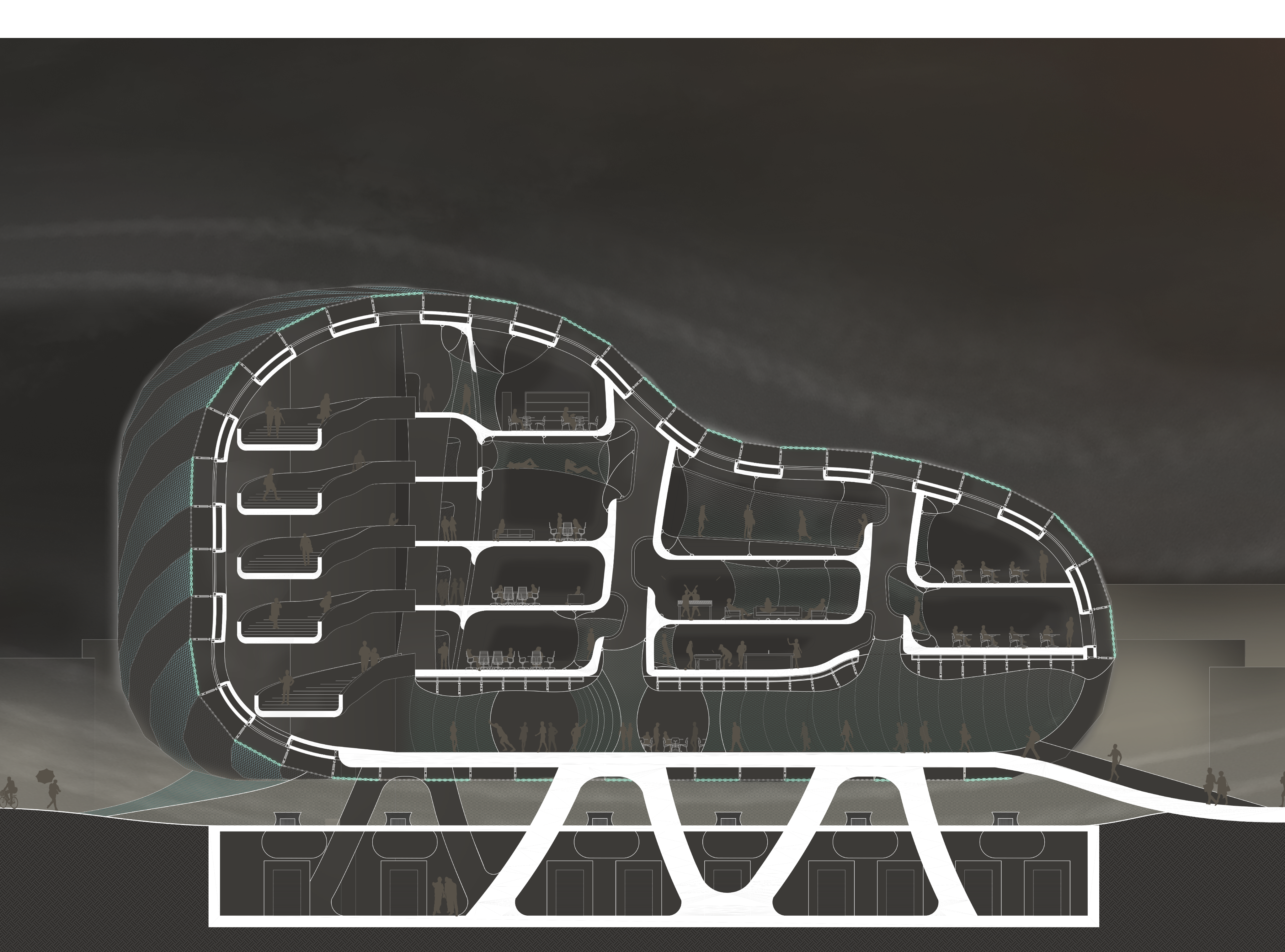
Building System Section
BUILDING ENERGY USAGE ANALYSIS
Triboelectric Fabric Ground Floor Circulation
Regenerating Energy
Triboelectric Fabric Circulation To Educational Programs
Private, Recreation, & Education Program Layout

WORKS
CONTACT
DESIGN
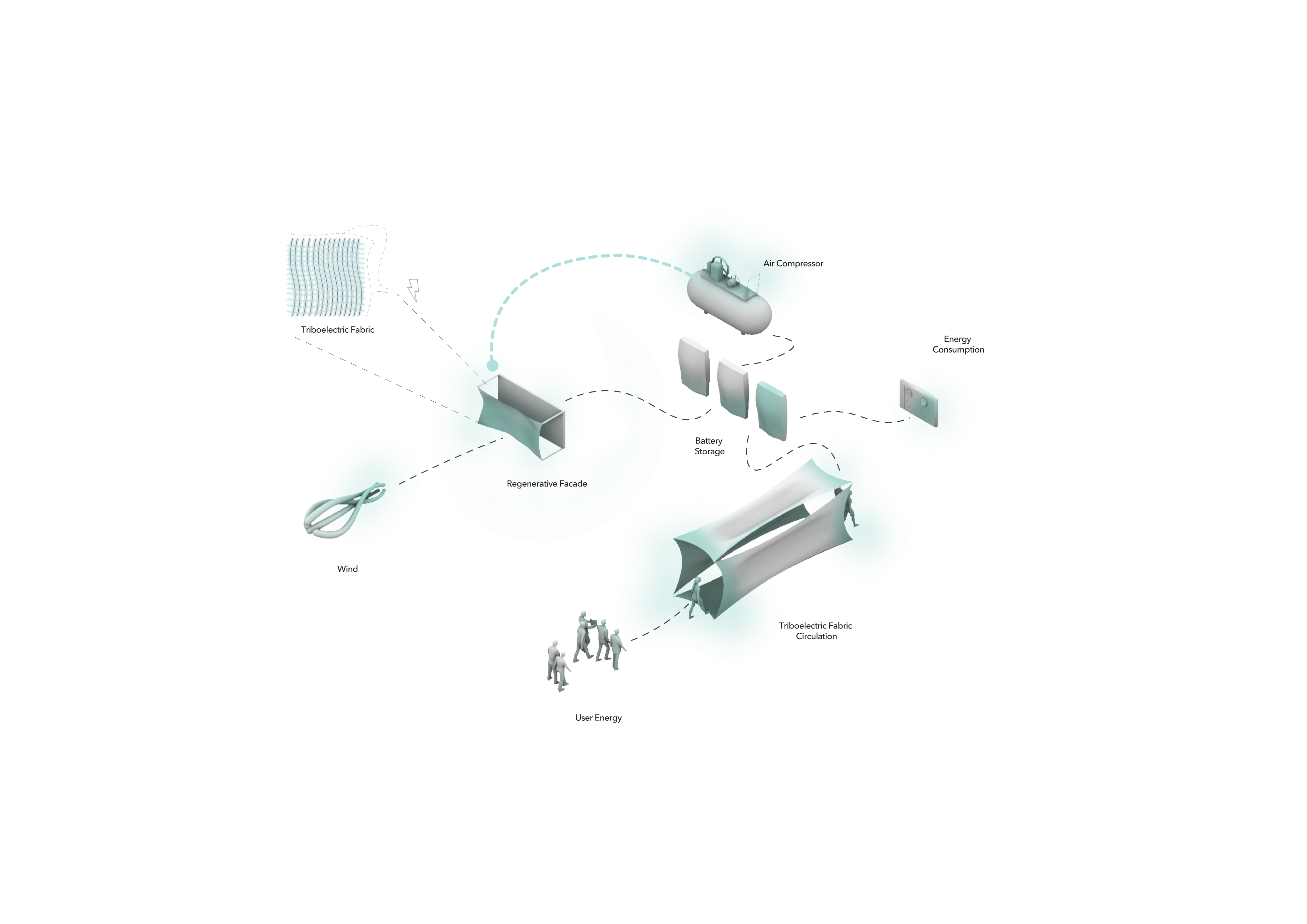
Selection of components complied to complete a self-supportive decentralised building system. Where energy is stored for consumption and powers a series of compressors to activate facade movement. Ensuring that energy can be efficiently recaptured before it depletes due to storage deficiencies of ion lithium batteries over long periods of time.

UNION REGEN HOUSE
MIXED-USE & EDUCATION | 2019
THE UNION HOUSE | UNIVERSITY OF MELBOURNE CAMPUS
Currently within our urban environment - buildings set out to increasingly consume energy through the existing power grid - without advancing to use systems and integrated devices for capturing energy from the natural elements. We as a collective of end-users also continue to raise building energy consumption rates and are not considered as an opportunity to generate energy through our daily interactions. These conditions highlighted that future buildings in the urban environment should aim to be energy independent systems and require the use of progressive materials. Which hold the capacity to capture energy from the natural elements and interactions of multiple end-users.
In response, this project examined to upgrade the highly active Melbourne University Union House into a futuristic decentralised energy building. Through the incorporation of a morphological response that conforms to a triboelectric fabric, which generates energy through frictional forces of wind and user interaction.
Site selection of the Union House building, due to its open positioning to wind & high volume of daily users.
Morphology diagrams expressing the appropriate geometrical response to capture the wind from all directions and the ability to regenerate energy.
Internalised Program, Circulation, & Energy Generation Strategy Diagrams
System Component, Structure & Facade Response Diagram
Perspective visualising the metal and triboelectric fabric facade capturing energy.
Ground Floor Circulation & Interactive Triboelectric Fabric Perspective
Capturing Energy
WIND & SOLAR ANALYSIS
PEDESTRIAN FLOW ANALYSIS
Building System Section
BUILDING ENERGY USAGE ANALYSIS
Triboelectric Fabric Ground Floor Circulation
Regenerating Energy
Triboelectric Fabric Circulation To Educational Programs
Private, Recreation, & Education Program Layout

WORKS
CONTACT
DESIGN
Selection of components complied to complete a self-supportive decentralised building system. Where energy is stored for consumption and powers a series of compressors to activate facade movement. Ensuring that energy can be efficiently recaptured before it depletes due to storage deficiencies of ion lithium batteries over long periods of time.
UNION REGEN HOUSE
MIXED-USE & EDUCATION | 2019
THE UNION HOUSE | UNIVERSITY OF MELBOURNE CAMPUS
Currently within our urban environment - buildings set out to increasingly consume energy through the existing power grid - without advancing to use systems and integrated devices for capturing energy from the natural elements. We as a collective of end-users also continue to raise building energy consumption rates and are not considered as an opportunity to generate energy through our daily interactions. These conditions highlighted that future buildings in the urban environment should aim to be energy independent systems and require the use of progressive materials. Which hold the capacity to capture energy from the natural elements and interactions of multiple end-users.
In response, this project examined to upgrade the highly active Melbourne University Union House into a futuristic decentralised energy building. Through the incorporation of a morphological response that conforms to a triboelectric fabric, which generates energy through frictional forces of wind and user interaction.
Site selection of the Union House building, due to its open positioning to wind & high volume of daily users.
Morphology diagrams expressing the appropriate geometrical response to capture the wind from all directions and the ability to regenerate energy.
Internalised Program, Circulation, & Energy Generation Strategy Diagrams
System Component, Structure & Facade Response Diagram
Perspective visualising the metal and triboelectric fabric facade capturing energy.
Ground Floor Circulation & Interactive Triboelectric Fabric Perspective
Capturing Energy
WIND & SOLAR ANALYSIS
PEDESTRIAN FLOW ANALYSIS
Building System Section
BUILDING ENERGY USAGE ANALYSIS
Triboelectric Fabric Ground Floor Circulation
Regenerating Energy
Triboelectric Fabric Circulation To Educational Programs
Private, Recreation, & Education Program Layout

WORKS
CONTACT
DESIGN
Selection of components complied to complete a self-supportive decentralised building system. Where energy is stored for consumption and powers a series of compressors to activate facade movement. Ensuring that energy can be efficiently recaptured before it depletes due to storage deficiencies of ion lithium batteries over long periods of time.